Reviewed by Thrillophilia Spiti Valley Operations Team
Updated as of June 2026
Spiti Valley tour packages start at INR 19,500 and take you into one of India’s highest inhabited regions, where most journeys unfold between 3,800 meters (Kaza) and 4,500 metres (Kunzum Pass). Carved by the Spiti River, this high-altitude cold desert is known for its stark landscapes and centuries-old culture.
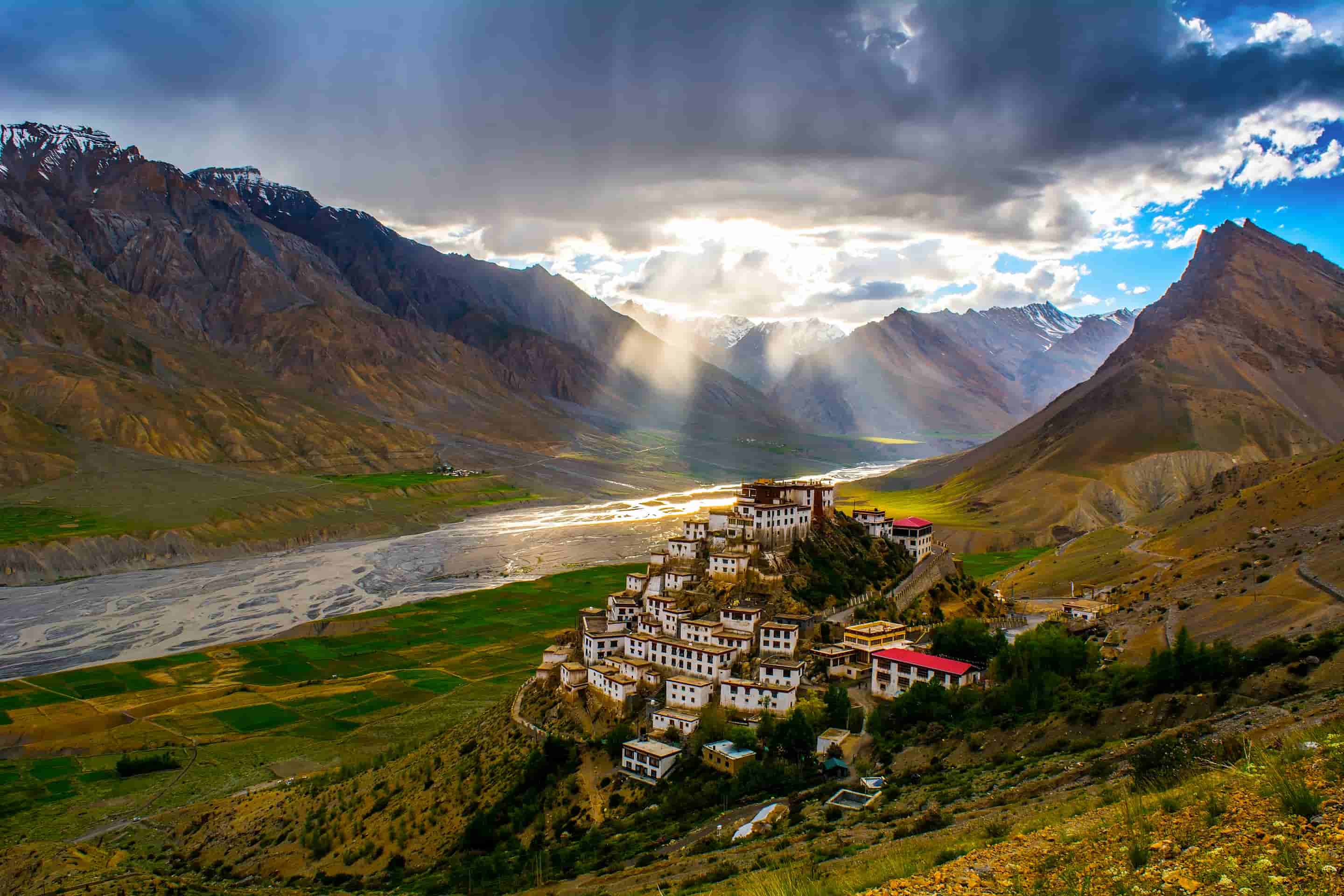
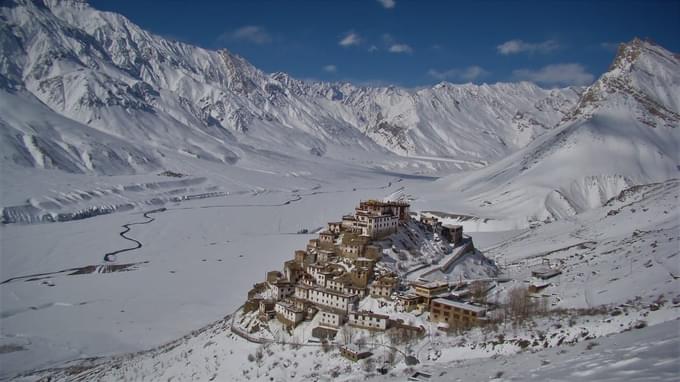
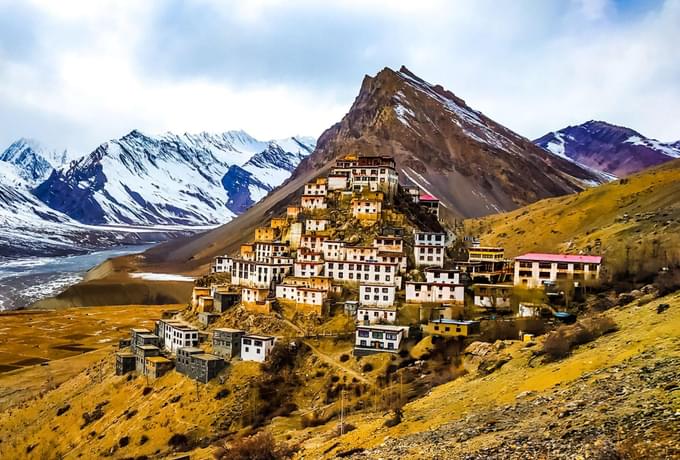
The region is home to 1,000-year-old monasteries like Key (4,166 meters) and Tabo, along with remote villages such as Kibber and Langza, perched among some of the highest motorable settlements in the world. Spiti Valley is also known to harbour rare Himalayan wildlife, including the elusive snow leopard, adding to its appeal as one of India’s most remote and isolated travel destinations.
One can choose from 25+ well-researched itineraries ranging from 6 to 12 days, with prices typically starting at INR 19,500 and can go up to INR 65,000 per person, depending on the season, route, and inclusions.
According to our travel experts with 10+ years of experience, the Manali route is shorter, but it rapidly ascends to high altitudes, and the Shimla route is slightly longer with a gradual climb, better suited for acclimatization and accessible for most of the year.
Experiences across our packages include local homestays, monastery visits, fossil exploration, and stargazing, each planned with high-altitude travel considerations built in. Booking is not where our involvement ends. We stay reachable with 24/7 ground support throughout your trip.
Spiti Valley Tour Package Overview: Costs, Duration & Planning
Price Range: Packages start from INR 19,000 and go up to INR 40,000
Duration: From 6D/5N to 14D/13 nights
Popular Plans: Winter Spiti Tour Package, Spiti Valley Backpacking Bike Tour from Chandigarh, Spiti Valley Tour Package from Shimla
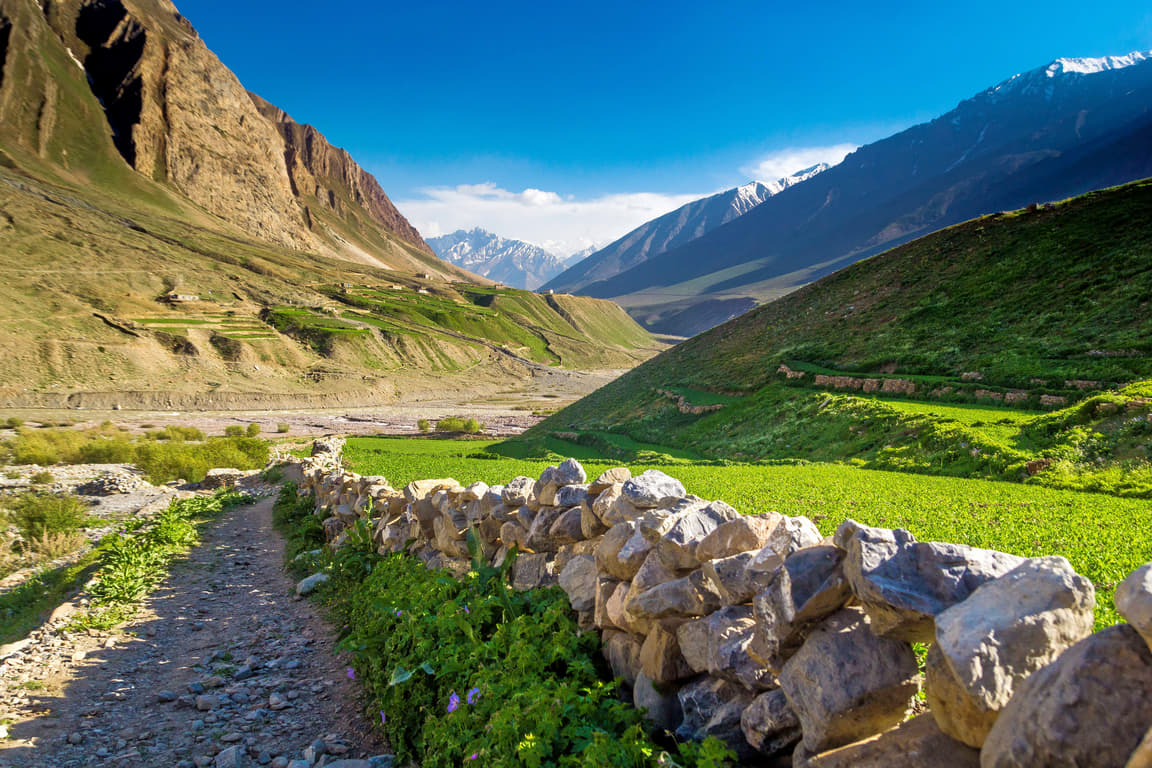
Spiti Valley is a lesser explored place in the shadow of the Himalayas. It is an arid valley carved out by the Spiti River within the Trans-Himalaya region at altitudes exceeding 4,000 meters.
The terrain in this cold desert valley is desolate and dramatic, with barren valleys, eroded mountains, and minimal vegetation.
It is not only Spiti's rugged topography that is unique but also some unusual experiences you can have in this remote region.
Some unique experiences in Spiti Valley include the following:
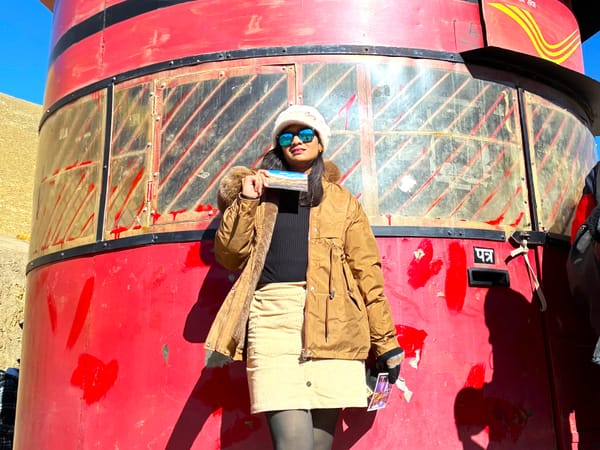
Mail a postcard from Hikkim, the highest post office in the world.
Travel to Komic, one of the highest villages in Asia reachable by vehicle.
Explore the over 1,000-year-old Tabo Monastery, known as the "Ajanta of the Himalayas" because of its ancient murals.
See marine fossils in Langza above 4,400 meters that date back to when the region was covered in the Tethys Sea.
For animal lovers, Spiti is a place of extremely high population density of snow leopards.
Based on Thrillophilia’s internal data, only less than 15,000 tourists visit Spiti Valley each year, compared to over 500,000 people who travel to Manali every year despite these unique experiences.
The low tourist influx contributes to the area's natural beauty and untouched terrain, without bustling markets and crowded tourist paths.
In addition to natural experiences, visitors to Spiti are immersed in local culture and traditions, particularly the Buddhist culture, simple and slow living, and traditional homestays.
How Much Does a Spiti Valley Trip Cost?
The cost of the Spiti Valley tour depends on the budget and the length of your trip. Some major budget brackets include:
Budget (₹30,000–₹50,000 for 10 days):
Transport (Delhi round trip): ₹3,000–₹5,000 (bus + HRTC)
Accommodation (per night): ₹700–₹1,500 (homestay)
Food (per day): ₹300–₹600 (homestay meals/dhaba)
Activities/Guides: ₹500–₹1,000 per day
Mid-Range (₹60,000–₹90,000 for 10 days):
Transport (Delhi round trip): ₹8,000–₹15,000 (shared cab/taxi)
Activities/Guides: ₹2,500–₹5,000 per day (snow leopard tracking, expert-led experiences)
Thrillophilia Traveller’s Note:
Parveen Babi from Mumbai booked the Best of Spiti Valley | FREE Chandratal Lake Excursion package with Thrillophilia under her budget and says, “Our family vacation to Spiti was smooth. Traveling with two kids and my parents, I needed someone reliable, and Thrillophilia planned everything perfectly. The driver, Vikram, knew the best local dhabas and hidden viewpoints that weren't even on the itinerary. I must mention that the prices we got through this package were much better than what I saw on other sites.”
These packages and trips are curated by Thrillophilia’s destination experts and cover the most scenic routes.
Road Trips
Routes Covered: Manali → Kaza (~200 km, 8–10 hrs) via Rohtang & Kunzum Pass | Shimla → Kaza (~430–450 km, 2 days) via Kinnaur
Distance: ~1,200–1,500 km depending on starting point, route, and detours within Spiti
Duration: 6–10 days depending on route and halts
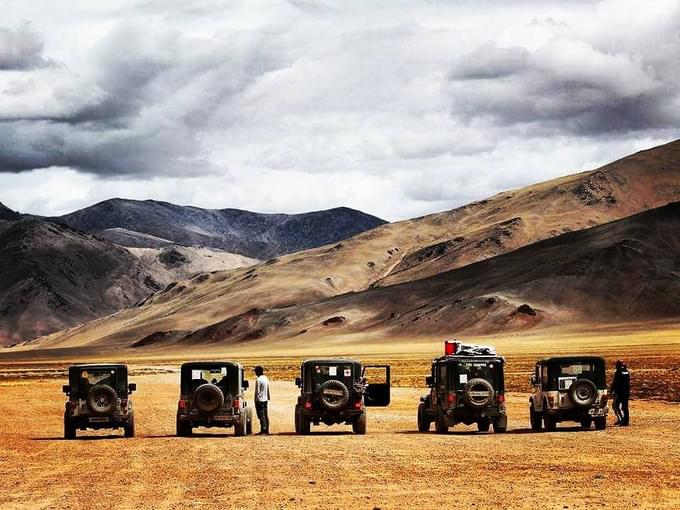
What It Offers: Flexible travel pace, access to remote villages like Langza, Hikkim, and Komic, multiple photo stops, and full control over itinerary
Best For: Self-drive travellers and bike riders seeking terrain-driven experiences
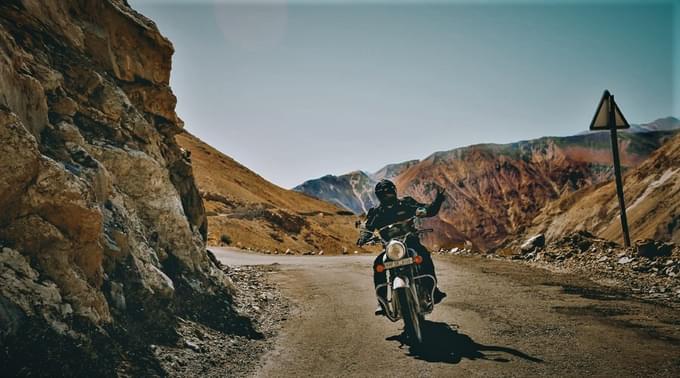
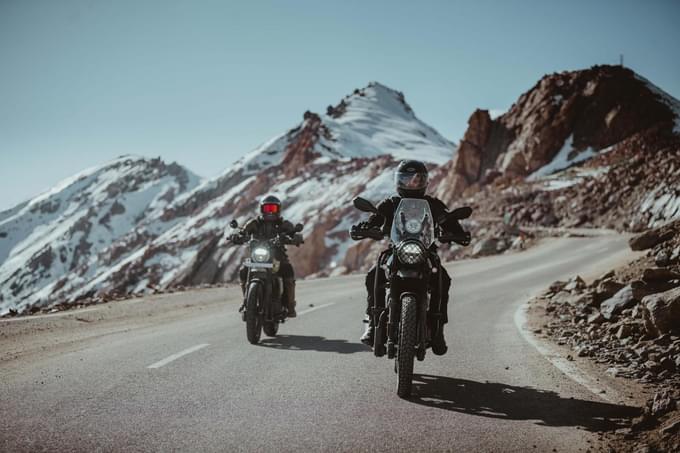
Spiti road trips offer the best experience, where the journey itself is the highlight.
You can see the dramatic terrain shifts from green valleys to barren mountains as you drive through narrow roads, river crossings, and high-altitude passes. The flexibility allows you to stop at lesser-known villages and truly absorb the landscape at your own pace.
Distance: ~1,400–1,600 km round trip (depending on route taken)
Duration: 7–10 days
What It Offers: Fixed itineraries with transport, stays, meals, permits, and trip leader included; shared travel with like-minded groups
Best For: Solo travellers or small groups looking for cost-effective and structured trips
Group tours simplify Spiti travel by taking care of logistics in a region where planning can be complex. Travelling with a group also adds a social layer to the experience—shared drives, common stays, and collective exploration make the journey more engaging. It’s a practical option for first-time visitors to high-altitude regions.
Distance: ~1,600–1,800 km for the complete circuit
Duration: 9–12 days
What It Offers: Complete circuit covering monasteries, high-altitude villages, fossil sites, and Chandratal Lake; gradual landscape transition from green valleys to cold desert
Best For: Travellers looking for an end-to-end Spiti experience without repeating routes
The Spiti circuit is the most comprehensive way to explore the region, covering both entry and exit routes. It allows for better acclimatization while ensuring you don’t miss key landmarks across Kinnaur and Spiti. This route captures the full contrast of Himachal—from pine forests to stark, high-altitude deserts—within a single journey.
Honeymoon Tours
Routes Covered: Shimla–Kinnaur → Spiti (with extended stays in Kaza, Langza, or Kibber)
Distance: ~1,400–1,600 km round trip (depending on itinerary and internal exploration)
Duration: 7–10 days
What It Offers: Slow travel with focus on stargazing, quiet village stays, monastery visits, and scenic drives; intimate homestay experiences over crowded hotels
Best For: Couples seeking isolation, raw landscapes, and meaningful time together in a non-commercial setting
Spiti offers a very different kind of honeymoon, the one that starts with slow mornings and bonds people in silence, space, and shared experiences rather than luxury. Nights are defined by clear, star-filled skies, while days unfold through slow village walks and monastery visits. Staying in homestays adds a sense of warmth and intimacy, making the experience feel personal and deeply memorable.
According to Thrillophilia’s booking insights, the best time to visit Spiti Valley is from mid-May through November, with variations depending on weather conditions, road access, and travel priorities.
Before taking the Spiti Valley tour package, you should note that the Manali–Kaza route remains closed from November to May due to heavy snowfall at Rohtang Pass and Kunzum Pass, while the Shimla–Kaza route stays open for most of the year but involves longer travel durations and slower road conditions.
1. Late May to June (Early Summer)
Roads from both Manali and Shimla sides typically open fully
Weather is pleasant, with temperatures ranging from 15–20°C during the day
Landscapes begin to turn green, with wildflowers starting to bloom
Fewer tourists compared to peak months
2. July to August (Monsoon)
The valley appears more vibrant with patches of greenery
However, landslide risks increase, especially on the Shimla–Kinnaur route
Temperatures remain comfortable between 15–25°C
The Spiti River flows at full capacity, creating dramatic scenery
Not ideal for first-time travellers due to road safety concerns
Clear skies and excellent visibility for landscapes and stargazing
Stable weather with minimal chances of landslides
Temperatures range between 10–20°C, ideal for exploration
Harvest season adds cultural experiences in local villages
Recommended as the sweet spot for first-time visitors
4. November to April (Winter: Only via Shimla Route)
Manali–Kaza route remains completely closed due to snowfall
Access is only via Shimla through Kinnaur, with slow travel and possible weather disruptions
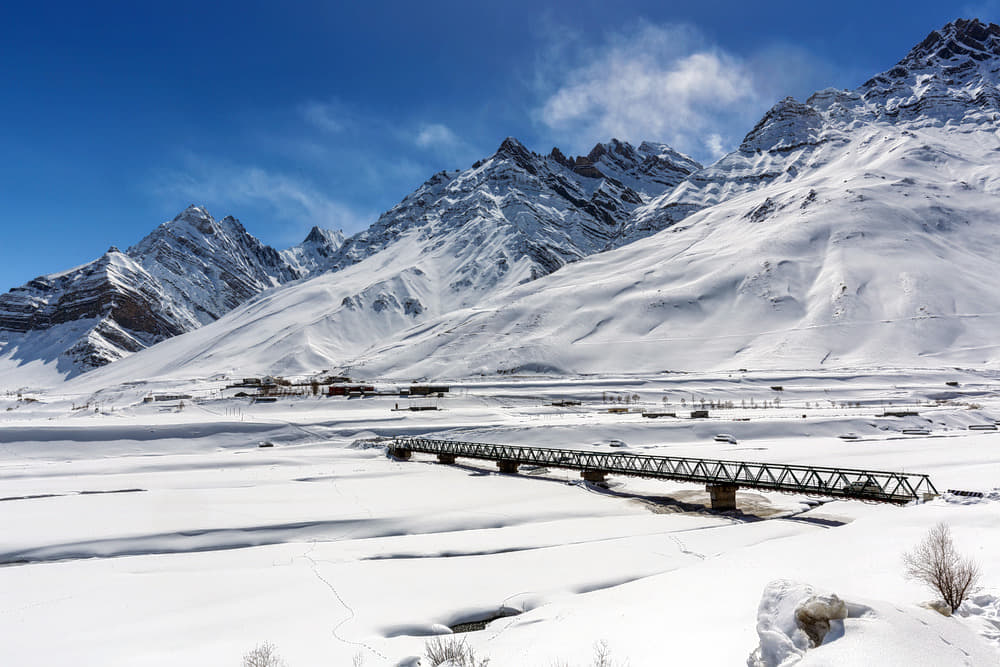
Extreme cold conditions, with temperatures dropping to -25°C in Kaza
Limited stays, transport, and basic facilities across the region
Suitable only for experienced travellers seeking snow landscapes and deep cultural immersion
How to Reach Spiti
The travel experience team at Thrillophilia ensures that you get the most easiest and smooth travel experience hence, we’ve multiple options for people. No matter where you’re coming from, Thrillophilia will make it easy for you.
Best Time to Travel: June to October (as Rohtang and Kunzum Pass remain closed in winter due to heavy snowfall). Based on 2026 BRO (Border Roads Organisation) trends, the Manali–Kaza road (via Kunzum Pass) is expected to open in late May to early June 2026
If you’re crossing Rohtang Pass, you need a permit as per National Green Tribunal regulations to protect its ecosystem. Permits can be booked online (rohtangpermits.nic.in) and are released at 10 PM for the next day. Vehicle entry is restricted—only petrol vehicles (odd dates) and diesel vehicles (even dates), with a daily cap of 800 and 400 respectively, are allowed.
The cost is around INR 550 (petrol) and INR 700 (diesel). Without a permit, vehicles are turned back at the Marhi checkpoint, so booking 1–2 days in advance is recommended during peak season.
Private Taxi Cost: ₹4,000–₹6,000 per day depending on vehicle type and season
How to Reach Manali?
By Air: The nearest airport is Bhuntar Airport (Kullu), around 50 km from Manali
By Train: The closest railway station is Joginder Nagar Railway Station, around 165 km from Manali
By Road: Well connected to Delhi, Chandigarh, and Shimla via HRTC buses and private taxis
How to Travel from Manali to Spiti?
Hire a private taxi or rent a bike from Manali
Take an HRTC bus from Manali to Kaza (operates only in summer)
Opt for guided jeep safaris or shared cabs
2. Via Shimla–Kinnaur — Longer but Year-Round
Shimla–Kinnaur offers a gradual altitude increase for better acclimatization. While taking this route, Nako is an unmissable stop—visit Nako Lake and capture views of the surrounding snow-capped peaks.
Time Taken: 2 days (with an overnight halt in Kalpa/Nako recommended)
Best Time to Travel: Accessible for most of the year (barring heavy landslides during peak monsoon)
The Shimla–Kinnaur route is preferred for its gradual altitude gain, which helps reduce the risk of Acute Mountain Sickness (AMS). Unlike the Manali route, this road remains largely open year-round, making it more reliable for planning. The journey transitions from lush green valleys to stark, high-altitude desert landscapes.
Private Taxi Cost: ₹3,500–₹5,500 per day depending on vehicle and itinerary
How to Reach Shimla?
By Air: Jubbarhatti Airport, around 20 km from Shimla
By Train: Kalka Railway Station, connected via the Kalka–Shimla toy train
By Road: Regular HRTC and private buses from Delhi and Chandigarh
How to Travel from Shimla to Spiti?
Take an HRTC bus from Shimla/Reckong Peo to Kaza
Hire a private taxi for a multi-day road trip
Opt for shared cabs or guided overland journeys through Kinnaur
Best Time to Travel: May to October via Manali | Almost year-round via Shimla–Kinnaur
Delhi serves as the primary starting point for most Spiti journeys, offering multiple travel options based on time, budget, and comfort. Travellers can choose between the shorter but seasonal Manali route or the longer, more stable Shimla–Kinnaur route.
Estimated Taxi Cost (Full Journey): ₹18,000–₹35,000+ for a multi-day trip depending on route, duration, and vehicle type
How to Travel from Delhi?
By Air: Fly to Bhuntar (for Manali route) or Shimla, then continue by road
By Train: Travel to Chandigarh or Kalka, then proceed via road
By Road: Overnight Volvo and HRTC buses available to Manali and Shimla; private taxis and self-drive options are also common
From Delhi, many travellers prefer breaking the journey with an overnight halt in Manali or Shimla before heading deeper into Spiti. Road trips from Delhi are especially popular among bike riders and small groups, offering flexibility to explore en route destinations.
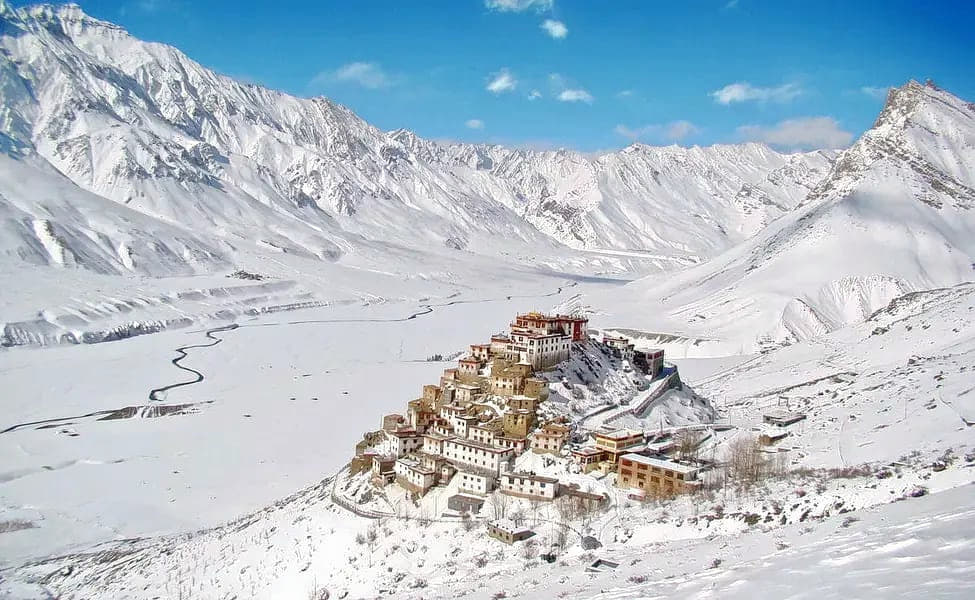
Key Monastery: Founded c. 1000 AD. Key Monastry sits at 13,668 feet. With roughly 200–400 monks, this 1000-year-old monastery looks like a fort on a hill. It offers amazing views of the valley and holds many old Buddhist treasures. First-time visitors often miss the morning prayer session, which begins around 6:00a,. Arriving early lets you observe monks chanting in the main assembly hall before the day's activities begin. The monastery houses a rare collection of thangka paintings, ancient manuscripts, and clay figurines that predate many other Himalayan monasteries; ask a monk to show you the manuscript room, as it isn't part of the standard visitor circuit. Monks follow a structured schedule with prayers at dawn and again in the evening around 5:30 PM, so visiting at either of these times gives a far more immersive experience than a midday stop.
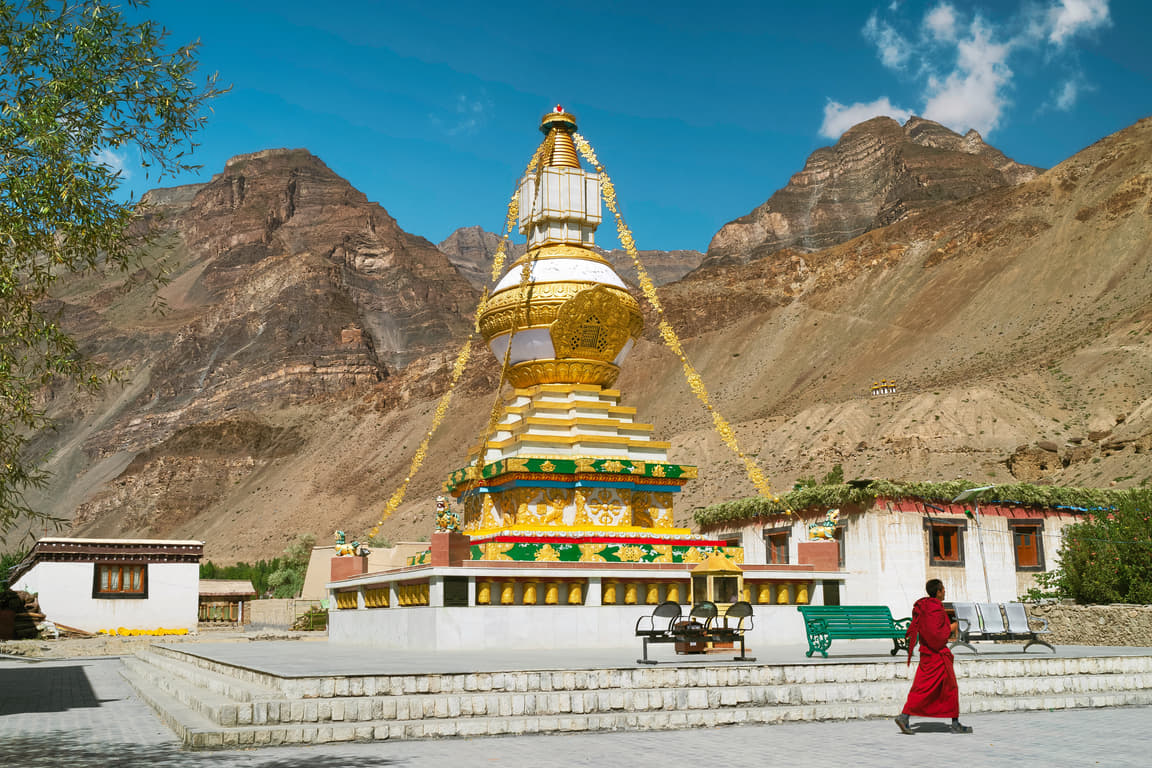
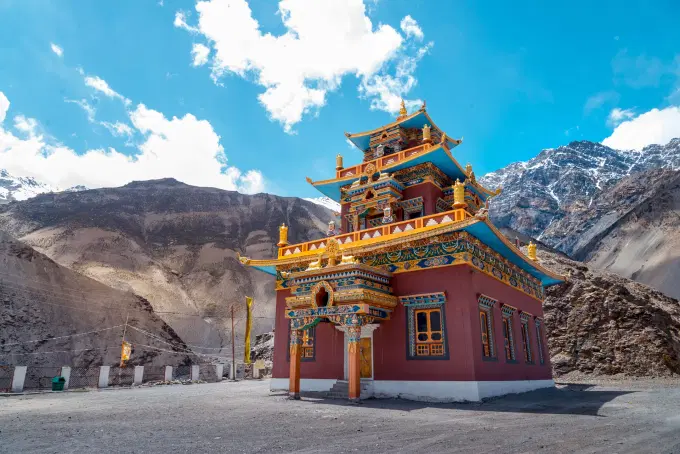
Tabo Monastery: It is one of the oldest continuously occupied Buddhist monasteries in India. It was founded in 996AD and is now known as the "Ajanta of the Himalayas.” This monastery has beautiful 1000-year-old wall paintings and is the oldest working Buddhist center in India.
Dhankar Monastery: Built between a cliff and the sky, this monastery-fort exists at a breathtaking spot where the Spiti and Pin rivers meet..
2. High-Altitude Villages
The upper Spiti region near Kaurik and Tashigang falls within a restricted zone due to its proximity to the China border. Foreign nationals require an Inner Line Permit (ILP) to travel to these areas.
The ILP can be obtained from the District Magistrate's office in Kaza; carry multiple photocopies along with your passport and visa as checkpoints are common.
Kibber Village: Once known as the world's highest village reachable by car, Kibber sits at 14,200 feet and is home to traditional mud-brick homes that look like they belong in a Tibetan painting. The village itself is a quiet, tightly-knit community where locals still practice age-old customs of farming barley and herding livestock through the short summer months.
Kibber Monastery: Separate from the village settlement, the monastery is a working religious site active in the daily lives of Kibber's residents. It is home to young monks from the surrounding area and holds regular prayer sessions. Thrillophilia’s destination experts say that visiting in the early morning gives a glimpse into monastic life that most day-trippers miss entirely.
Komic: Asia's highest village with a post office, Komic is a place where people live much as their ancestors did, surrounded by snow-capped peaks. The sense of isolation here is profound. In winter, the village is almost entirely cut off from the rest of Spiti.
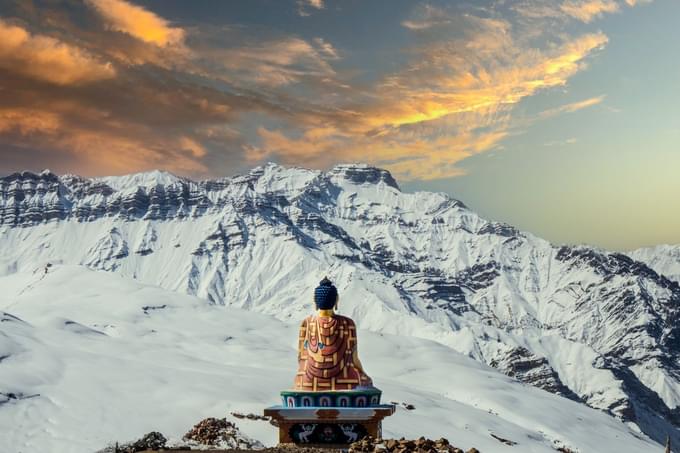
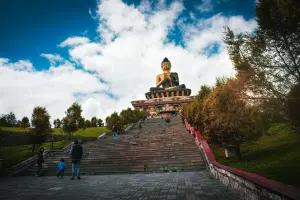
Langza: Famous for its ancient Buddha statue and the marine fossils found scattered across its fields. Remnants of the Tethys Sea that once covered this land millions of years ago. The statue stands with the striking Chau Chau Kang Nilda peak rising dramatically behind it, making for one of Spiti's most photographed views.
Hikkim: Home to one of the world's highest post offices at 14,435 feet, you can send postcards stamped from the rooftop of the world.
Don't be surprised to find a small queue of travellers waiting to send letters to every corner of the globe.
3. Natural Wonders
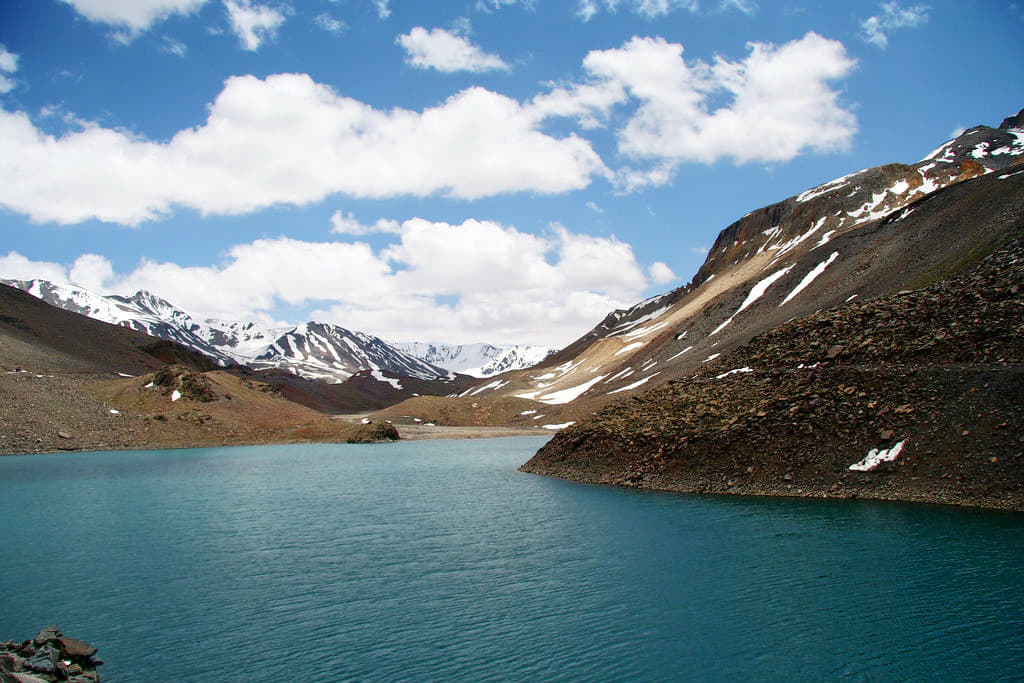
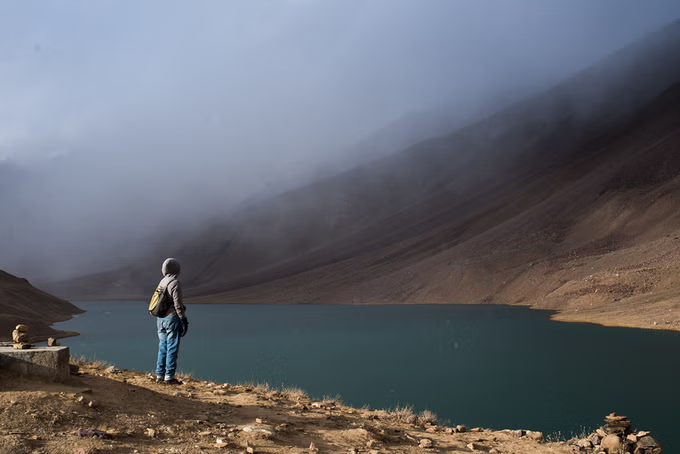
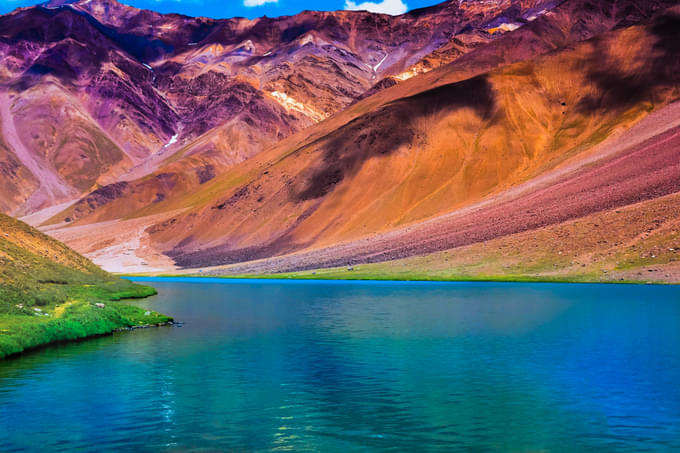
Chandratal Lake: Called the “Moon Lake” because of its crescent shape, this high-altitude lake changes color throughout the day and is surrounded by stark, barren mountains. It is accessible via a rough 8–10 km jeep track from Batal (motorable by SUV), after which a short walk leads to the lake. Camping is permitted in designated areas near Chandratal, with visitor numbers regulated.
Some of the key 2026 NGT and local regulations include:
Campsite Restrictions: The camp should be situated away from the lakefront; only at authorized sites can tents be erected.
Camping Season: Usually, campsites are open only during late June and early October.
Vehicular Access: Vehicles should park at designated spots away from the lake.
Permissions: An e-Aagman e-pass is necessary as the lake falls under an animal reserve.
Waste Disposal: Camp managers must dispose of waste properly. Littering is strictly forbidden.
Pin Valley National Park: Home to rare snow leopards and other wildlife, this park features rugged, untamed landscapes with striking patches of green contrasting against the cold desert terrain.
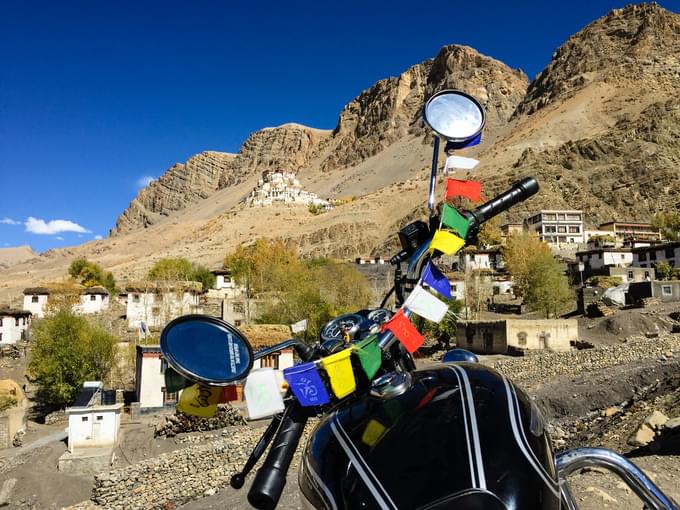
Kunzum Pass: Drive through clouds at 15,060 feet, where colorful prayer flags flutter in the wind and panoramic views of the surrounding Himalayan peaks stretch for miles.
Dhankar Monastery & Dhankar Lake: Dhankar Monastery is accessible by road and offers dramatic views of the Spiti–Pin River confluence. From here, a 1.5–2 hour uphill hike leads to Dhankar Lake, a secluded blue-green water body hidden among rocky terrain, rewarding trekkers with pristine reflections and complete silence.
4. Offbeat Gems
Giu Mummy: See the mysteriously preserved 500-year-old body of a meditating monk. Strangely, people say his hair and nails still grow!
Mud: A village that looks like it was carved right out of the mountains. Life here hasn't changed much over time, and you can see traditional Spiti buildings.
Lhalung: Called the "Land of God," this village has an old monastery called Lahlung Monastery with a golden Buddha statue and masks with demon faces. In summer, the village is covered with wildflowers.
Demul: Stay with local families in this eco-friendly village known for its sustainable living and beautiful high-altitude hiking trails.
Kungri Monastery: The monastery's name translates to 'Snow Mountain' in Tibetan and it's famous for its calm ambience, perfect to explore on a Spiti holiday adventure.
Thrillophilia Traveller’s Note:
Abhijit Sen from Kolkata booked “A Bike Adventure | FREE Camping in Chandra Tal” with Thillophilia in March 2026. Here’s what he says to say:
“We had a fantastic Spiti road trip with Thrillophilia. The driver was very patient with our frequent photo stops. Coming from Kolkata, the dry mountain air was a change, but the views of the Himalayan peaks were absolutely majestic. Truly a soulful experience that I would recommend to anyone looking for a deep connection with nature.”
Verified Thrillophilia booking, 2026 departure
Things to Do on a Spiti Valley Tour
A trip to Spiti Valley is never boring. Thrillophilia’s destination experts suggest that travellers who indulge in adventure activities, cultural experiences and spiritual experiences see a side of Spiti that most miss.
1. Adventure Activities
Trek to Chandratal Lake: Walk along old shepherd paths to reach the beautiful "Moon Lake," where you can camp under a sky full of stars. Chandratal Lake is accessible by jeep track from Batal. However, the last 8–10 km is rough jeep track, not paved, but motorable in an SUV
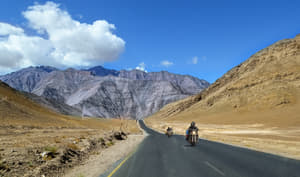
Bike the Spiti Circuit: Ride a motorcycle or bicycle on the exciting roads from Manali to Kaza, crossing some of the world's highest mountain passes
River Rafting in Spiti River: Enjoy exciting water rapids between Pin Valley and Tabo, with tall canyon walls on both sides
Hike to Dhankar Lake: Take a 2-hour uphill walk from Dhankar Monastery to find a peaceful lake with amazing mountain views
2. Cultural Immersion
Stay in a Homestay: Live with local families in villages like Demul or Kibber, eating homemade food and learning how Spiti people live
Attend a Buddhist Ceremony: Watch monks chant prayers during morning or evening ceremonies at Key or Tabo Monastery
Learn Traditional Cooking: Cook with locals to make dishes like thukpa (noodle soup) and skyu (hand-shaped pasta) using local buckwheat
Visit Langza, Also Known as Spiti's Fossil Park: Look for 180-million-year-old sea creature fossils in Langza with local guides, showing that the Himalayas were once under the sea
3. Unique Experiences
Cross Kunzum Pass: Drive up to 15,060 feet for amazing mountain views and walk around the Buddhist shrine for good luck
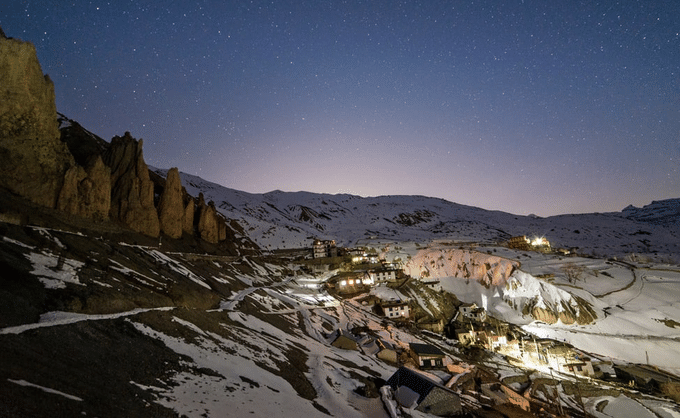
Stargaze in Kibber: See incredibly clear night skies, perfect for taking photos of stars and spotting the Milky Way
Spot Snow Leopards: Join a winter trip with local guides to look for the rare and beautiful snow leopards
Post a Letter from Hikkim: Send a postcard from the world's highest post office at 14,400 feet as a special memory
4. Spiritual Journeys
Meditate in Ancient Caves: Find peace in the meditation caves near Tabo that monks have used for over 1,000 years
Walk the Kora Circuit: Join locals in their traditional clockwise walk around monasteries, spinning prayer wheels as you go
Learn Thangka Painting: Take a class with local artists to learn how to make colorful Buddhist paintings
5. Local Flavors
Sample Seabuckthorn Products: Try jams, juices, teas, and oils made from seabuckthorn berries (Hippophae rhamnoides), locally known as Sirmoli or Tsermang.
This nutrient-rich orange berry thrives in Spiti’s harsh climate and is a key part of the region’s cottage industry. You can buy authentic products from local cooperatives in Kaza and Langza.
Try Chang and Arak: Taste traditional barley beer (chang) and local spirits (arak) with villagers during celebrations
Eat at the World's Highest Restaurant: Have a meal at The Himalayan Café in Komic village, enjoying dumplings and noodle soup at over 15,000 feet
Join a Community Harvest: Help local farmers collect peas, barley or apples (depending on season) and join in the celebration afterward
Thrillophilia Traveller’s Note:
Paresh Chavda from Vadodara booked the “Manali to Spiti | FREE Langza Excursion” in March 2026. He says, “Thrillophilia provided a great experience for our group from Vadodara. The driver was very skilled on the steep mountain roads. We loved the local hospitality in the homestays. Spiti Valley is a must-visit for any nature lover and adventurer. The vastness of the mountains makes you realize how small we are. It was a very humbling and beautiful journey.”
Verified Thrillophilia booking, 2026 departure
Best Time by Festival - Spiti Valley Festival Calendar
Spring Festivals (March–May)
1. Dechhang Festival (March–April)
Significance: Spring agricultural festival marking the beginning of the farming season
Activities: Rituals for good harvest, folk music, sowing ceremonies
Duration: 1 day
Key Locations: Villages of Demul, Lhalung, and Dhankar
Special Customs: Seeds are blessed by monks before sowing; villagers perform a communal plowing ritual
Photography Access Note: This is a village-level community festival. Seek permission from the village headman before photographing ritual ceremonies - unsolicited photography during the sowing rituals is considered disrespectful
2. Saka Dawa (May–June; 2026 date: May 31)
Significance: Celebrates Buddha's birth, enlightenment, and parinirvana — considered the holiest month in the Tibetan Buddhist calendar
Activities: Monastery prayers, butter lamp offerings, acts of compassion and charity
Duration: Month-long observations with main celebration on the full moon day
Key Locations: All monasteries across Spiti Valley
Special Customs: Many locals observe vegetarianism during this period; pilgrimages to sacred sites are common
Photography Access Note: Photography inside monastery prayer halls during Saka Dawa is heavily restricted. Contact individual monasteries at least 2–3 weeks in advance to request formal permission; some monasteries permit a designated photography window outside active prayer hours
Summer Festivals (June–August)
1. Ladarcha Fair(July)
Significance: Ancient trading festival with historical importance as a commerce point between Tibet, Ladakh, and Spiti
Activities: Local market with traditional goods, cultural performances, archery and other competitions
Duration: 3 days
Key Locations: Kaza (originally held in Kibber)
Special Customs: Traditional barter system is still practiced alongside modern commerce; displays of horsemanship
2. Chaam Dance Festival(July–August; exact dates vary by monastery)
Significance: Religious masked dances depicting Buddhist stories and the ritual defeat of evil
Activities: Elaborate masked performances by monks, ritual destruction of evil effigies
Duration: 2 days
Key Locations: Key Monastery, Tabo Monastery
Special Customs: Masks and costumes represent various deities and demons; sacred instruments including long horns and drums accompany performances
Photography Access Note: Chaam is one of the most photographed events in Spiti, but access to the inner courtyard requires advance coordination with the respective monastery. For Key Monastery, reach out at least 4 weeks ahead; unrestricted photography positions are limited and fill early. Tabo Monastery has a separate approval process through the head lama's office
Autumn Festivals (September–November)
1. Namkhan Mane Rinchen Festival(September)
Significance: Marks the harvesting season with thanksgiving rituals
Activities: Offerings to deities, community feasting, thanksgiving ceremonies
Duration: 2–3 days
Key Locations: Villages of Pin Valley and Tabo
Special Customs: The first harvest is offered to monasteries; community members share the harvest bounty
2. Phachuak Festival(October–November)
Significance: End-of-harvest celebration and communal preparation for winter
Activities: Prayer ceremonies, masked dances, community gathering
Duration: 1–2 days
Key Locations: Kye Monastery and surrounding villages
Special Customs: Offerings made for protection during the harsh winter months; special ritual to secure blessings for the stored harvest
Photography Access Note: Kye Monastery requests that visitors coordinate photography of masked dance rituals directly with the monastery caretaker. Drop-in visitors may be turned away from inner ceremony areas during this festival
Winter Festivals (December–February)
1. Losar Festival (18th- 20th February 2026)
Significance: Tibetan New Year, one of the most spiritually and culturally significant festivals in the Buddhist calendar
Activities: Monastery prayers, Chaam masked dances, burning of effigies representing evil spirits, family reunions
Duration: Main celebrations over 3 days (February 18–20, 2026), with the full 15-day auspicious period extending to March 4, 2026
Special Customs: Homes are thoroughly cleaned and decorated with auspicious symbols; special dishes like Khapse (fried cookies) and chang (local barley beer) are prepared
Photography Access Note: The first two days of Losar are deeply family-oriented and largely private. To photograph the Chaam dances at Key or Tabo on Day 2 or 3, contact the monastery administration a minimum of one month in advance. Some monasteries designate a fixed area for photographers; entering the ritual space without permission is not permitted
2. Gochi Festival (January–February)
Significance: Winter solstice celebration marking the passage through the darkest period of the year
Activities: Torchlight processions, local folk dance performances, communal feasts
Duration: 2 days
Key Locations: Villages across Spiti including Kaza, Kibber, and Langza
Special Customs: Elders bestow blessings on younger generations; ritual offerings to ward off evil spirits for the coming year
This was my first experience with Thrillophilia, and it was truly amazing. The accommodation was comfortable, and thrillophilia team was very supportive and helpful throughout the trip. Overall, I had a great experience and look forward to traveling with Thrillophilia again in the future.
We have recently completed of 9N/8D Full circuit tour of Spiti Valley. We started our journey from Delhi to Shimla on bus and then our guide (Mr. Parikshit Kanwar) recieved us from the drop point and we started our journey for Spiti Valley on our Traveller. Our route was Delhi-Shimla-Chitkul-Nako-Tabo-Kaza-Chadrataal-Sissu-Manali-Delhi..... All the stays were very good except for the stay at Kaza (Piti Jalsa Heritage). The food was also decent elsewhere. At Chitkul and Sissu we were given tents to stay, but the tents at Sissu we decent but at Chitkul (Nargu Camps) were very good and the food was also nice. Our guide and the driver were except... Read More
Spiti Revisited - This Time with My Favorite Person & Thrillophilia 💙
Although I had visited Spiti once before solo, this time I wanted a hassle-free and well-organized experience, especially because I was finally returning to my favorite place with my favorite person.
So, my boyfriend and I started looking for group travel options and came across Thrillophilia’s 8 Days Spiti Group Tour (Delhi to Delhi). Booking it was one of the best decisions we made!
🗺️ Change in Plans? Even Better!
While Chandratal was originally part of our itinerary, unpredictable weather led to its cancellation. At first, we were disappointed, but Thrillophilia did... Read More
(21+)View All
Spiti Valley Reviews By Departure City
Reviews from verified travellers who booked their Spiti Valley tour packages from different cities across India
Huge thanks to our trip captain Kabir for handling our Spiti trip so well. Roads were tough at some stretches and weather also changed suddenly but he managed the group calmly throughout. We made some really good memories during the journey.
Spiti was one the best destinations in India if you are looking for top experiences. The landscape is unlike anything in India, barren, vast and silently spectacular. Thrillophilia pre-trip guidance was thorough. Team reachable throughout. The monks at Tabo monastery were welcoming and spoke to us for an hour. Worth every kilometre of rough road.
This is my second Spiti trip, first time with Thrillophilia. Much better organised than my previous one. The pre-departure information was thorough. Dhankar Monastery, Pin Valley, Langza fossil village all covered at the right pace. Will plan Spiti in winter with them next.
Really good Spiti trip. Roads are rough in some sections but the team had communicated this clearly. Accommodation was comfortable given the remoteness. Team was responsive throughout the trip.
Spiti is not a trip. It is an experience that recalibrates your relationship with the ordinary. Thrillophilia had arranged detailed pre-trip notes covering altitude, medication and what to pack. Our driver Dorje had fifteen years on these routes and his calm confidence on sections where the mountain dropped thousands of feet on one side kept us relaxed. Key Monastery perched on that cliff face at sunrise. The world's highest post office at Hikkim. The homestay in Komic where the family fed us thukpa and sat talking about life at 4500 metres.
Spiti Valley through Thrillophilia one of those trips you describe to people and they don't quite believe you.
Thrillophilia sent detailed pre-trip notes on altitude, medicines and what to pack. Stays were basic at some points but the team had communicated this clearly in advance so there was no surprise. THanks for the amazing trip.
Spiti Valley through Thrillophilia highly recommend for anyone looking for something completely different.
Our driver Sonam had been on these roads for 12 years. On one section where the road had partially collapsed, he assessed it for two minutes, said a quiet prayer and drove across without incident. We understood in that moment what driving experience actually means.
Thrillophilia sent altitude precaution notes, medicine list and packing guide well in advance. Group of 8 from Bangalore and not a single serious problem throughout.
The group made the Spiti trip even better. We had the best time with our guide and 6 strangers who became friends by Day 2. Thrillophilia had mixed age groups in our batch a couple, three working professionals, one student and somehow it worked. Chandratal at midnight when everyone had gone quiet and the only sound was the wind. I just want to go back again
Spiti valley Tour faqs
Which are the best places to stay in Spiti Valley?
Most Spiti valley packages include homestays in Kaza, Mud, Kibber, and Langza. Tabo and Nako offer monastery guesthouses. For comfort, Kaza has the widest range of hotels and guesthouses.
What can you buy in Lahaul-Spiti?
Pick up Spitian pashmina shawls, thangka paintings, handmade silver jewellery, prayer flags, and locally grown black peas (chana). Kaza market is the best shopping hub on any spiti valley trip.
Is Lahaul-Spiti covered with snow in June?
Higher passes like Kunzum (4,590 m) may still carry snow in early June. Valleys are largely accessible by mid-June. Check road status before finalising your spiti valley trip cost and travel dates.
Which local food is famous in Lahaul-Spiti?
Must-try dishes include Thukpa (noodle soup), Tsampa (roasted barley flour), Momos, Chhurpi (yak cheese), and Butter Tea. Every good spiti valley trip package should include a homestay meal for the full experience.
When traveling to Lahaul-Spiti, what mistakes should one avoid?
On any Lahaul Spiti tour, avoid skipping acclimatization, overpacking your daily driving schedule, ignoring weather forecasts, and travelling without cash. ATMs are nearly nonexistent beyond Kaza.
Can kids go to Lahaul-Spiti?
Yes, with the right planning. The Spiti valley trip cost is worthwhile for families.The children above 8 generally adapt well if acclimatization is gradual. Avoid rushing altitude gains and choose homestays over camping for young travellers.
How to reach Spiti Valley from Shimla?
The Shimla–Spiti route via Kinnaur (NH-5) is the most scenic entry point in any Spiti valley tour package. Drive through Narkanda, Rampur, and Kaza — roughly 412 km, taking 12–14 hours.
What are the things to keep in mind for solo backpack tour?
For a solo Spiti trip, always inform someone of your itinerary. Carry extra fuel, a portable charger, and emergency contacts. Join group convoys on high-altitude passes — solo breakdowns can be life-threatening.
How do I get to Spiti Valley from Manali?
Drive via Rohtang Pass and Kunzum Pass — roughly 200 km taking 8–10 hours. The route is open June to October. This dramatic road is a highlight of any Lahaul Spiti tour from Manali.
Is Lahaul-Spiti dangerous?
The terrain is challenging as there are high altitudes, narrow roads, and unpredictable weather that demand preparation. With a well-designed Spiti valley tour package, proper acclimatization, and experienced local guidance, risks are very manageable for fit, prepared travellers.
What should I wear in Lahaul-Spiti?
Layer up regardless of season. Any well-planned spiti valley tour package recommends thermal innerwear, fleece mid-layers, a windproof jacket, UV-protection sunglasses, and sturdy trekking shoes — even in July temperatures drop sharply at night.
How many days are enough for Lahaul-Spiti?
A complete spiti valley travel package typically spans 8–12 days. Seven days covers the essentials (Kaza, Key, Tabo, Chandratal); 10–12 days allows Pin Valley, Kibber, Langza, and a comfortable Manali exit.
Recently Asked Questions
What should I wear in Lahaul-Spiti?
Layer up regardless of season. Any well-planned spiti valley tour package recommends thermal innerwear, fleece mid-layers, a windproof jacket, UV-protection sunglasses, and sturdy trekking shoes — even in July temperatures drop sharply at night.
How many days are enough for Lahaul-Spiti?
A complete spiti valley travel package typically spans 8–12 days. Seven days covers the essentials (Kaza, Key, Tabo, Chandratal); 10–12 days allows Pin Valley, Kibber, Langza, and a comfortable Manali exit.
Spiti Valley Tour Packages From Popular Indian Cities





.jpg?w=1440&dpr=2&q=20)
.jpg?w=1440&dpr=2&q=20)
.jpg?w=1440&dpr=2&q=20)



.png?w=340&dpr=2)
.jpg_(1).jpg?w=340&dpr=2)








.jpg?w=576&dpr=2)